


Can the Biomass Index Predict Longevity and Health Outcomes?
Yes — the biomass index, which measures muscle-to-fat body composition, is a powerful predictor of longevity. Unlike BMI, it highlights key health factors:
- Higher muscle mass supports metabolic health and reduces disease risk
- Lower visceral fat is linked to better heart and brain health
- Improved metabolic efficiency enhances energy use and reduces inflammation
The biomass index helps detect risks early, tailor health plans, and track progress, making it essential for personalized longevity strategies.
In the ever-evolving field of health and wellness, researchers are constantly seeking new ways to measure and predict long-term well-being. One emerging metric that has gained significant attention is the biomass index. This innovative indicator offers a fresh perspective on the relationship between biomass index (body composition) and longevity, opening up new possibilities for health prediction and personalized care.
In this blog, we’ll explore what the biomass index is, its connection to longevity, and how it serves as a valuable tool for predicting health outcomes.
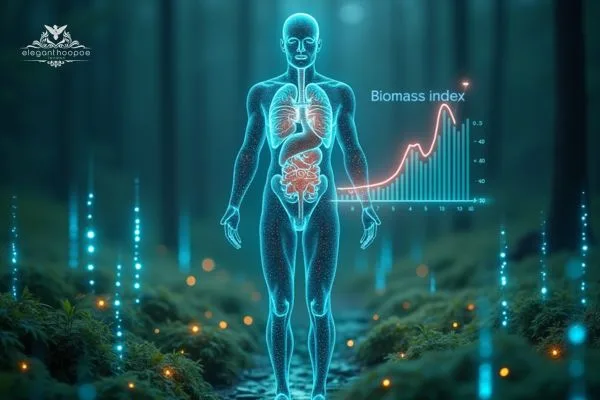
What Is the Biomass Index?
The biomass index is a measure of an individual’s body composition, focusing on the ratio of lean muscle tissue, fat, and overall body mass. Unlike traditional metrics such as Body Mass Index (BMI), which primarily considers weight in relation to height, the biomass index provides a more nuanced understanding of body composition.
This distinction is critical because two individuals with the same BMI might have drastically different health profiles. For example, one might have a higher percentage of lean muscle mass, while the other has a higher fat percentage. The biomass index accounts for these differences, making it a more precise measure of overall health.

The Link Between Biomass Index and Longevity
Research shows a strong correlation between the biomass index and longevity. Here’s how it works:
1. Muscle Mass and Aging
Lean muscle mass plays a vital role in maintaining health as we age. A higher proportion of muscle mass is associated with better metabolic health, improved mobility, and reduced risk of chronic diseases such as diabetes and heart disease.
Studies have demonstrated that individuals with a higher biomass index—indicating a greater proportion of lean muscle relative to fat—tend to live longer, healthier lives. Muscle mass not only supports physical function but also plays a key role in regulating hormones, insulin sensitivity, and overall body homeostasis.
2. Fat Distribution and Health Risks
The location and proportion of fat in the body are critical factors in health outcomes. Excess visceral fat, which surrounds internal organs, is linked to increased risks of cardiovascular disease, type 2 diabetes, and even certain cancers.
A balanced biomass index reflects an optimal distribution of fat, minimizing these risks and contributing to better long-term health.
3. Metabolic Efficiency
Individuals with a healthier biomass index often exhibit better metabolic efficiency. This means their bodies are better at utilizing energy, processing nutrients, and reducing inflammation—factors that are all linked to longevity.
Weight
Height
Age

Biomass Index as a Tool for Health Prediction
The ability to predict health outcomes is crucial for preventive care and personalized medicine. The biomass index offers several advantages in this regard:
1. Early Detection of Health Risks
By assessing body composition in detail, the biomass index can help identify potential health risks early on. For example, a decline in lean muscle mass may signal the onset of sarcopenia (age-related muscle loss), even in individuals with a normal BMI.
2. Personalized Health Plans
The insights provided by the biomass index enable healthcare professionals to develop tailored health plans. For instance, an individual with a low biomass index might benefit from a targeted exercise regimen to build muscle mass, while someone with excess visceral fat might require dietary interventions.
3. Tracking Progress Over Time
Unlike static measures like BMI, the biomass index can be used to track changes in body composition over time. This makes it a valuable tool for monitoring the effectiveness of interventions and adjusting treatment plans accordingly.

Practical Applications of the Biomass Index
The growing interest in the biomass index has led to its adoption in various fields, from clinical settings to fitness programs. Here are some examples of its practical applications:
1. Preventive Healthcare
Regular assessment of the biomass index can help individuals and healthcare providers identify potential health risks before they become serious. For example, a low score might prompt early interventions to prevent chronic diseases or improve mobility in older adults.

2. Fitness and Performance Optimization
Athletes and fitness enthusiasts can use the biomass index to fine-tune their training programs. By focusing on building lean muscle mass and maintaining an optimal fat-to-muscle ratio, they can enhance performance and reduce the risk of injury.
3. Aging and Longevity Research
The biomass index is increasingly being used in studies on aging and longevity. Researchers are exploring how changes in body composition over time affect overall health and quality of life, paving the way for new approaches to healthy aging.

How to Improve Your Biomass Index for Longevity
Improving your biomass index requires a combination of lifestyle changes that promote muscle growth, fat loss, and overall metabolic health. Here are some actionable tips:
1. Strength Training
Incorporate resistance exercises into your workout routine to build and maintain lean muscle mass. Aim for at least two strength-training sessions per week, targeting all major muscle groups.
2. Balanced Nutrition
Focus on a diet rich in lean protein, healthy fats, and complex carbohydrates. Protein is especially important for muscle repair and growth, while healthy fats support hormonal balance.

3. Cardiovascular Exercise
Combine strength training with regular cardio to improve overall fitness and reduce excess fat. Activities like walking, running, or cycling can help optimize your biomass index.
4. Adequate Rest and Recovery
Rest is a critical component of any fitness program. Ensure you’re getting enough sleep and allowing your muscles time to recover between workouts.
5. Monitor Progress
Regularly assess your body composition using tools like bioelectrical impedance analysis (BIA) or dual-energy X-ray absorptiometry (DEXA) to track changes in your biomass index.

The Future of Biomass Index in Health Prediction
As the science behind the biomass index continues to evolve, its potential applications are expanding. From personalized medicine to public health initiatives, this metric is poised to play a central role in shaping the future of healthcare.
With a focus on body composition rather than just weight, the biomass index offers a more accurate and actionable way to assess health and predict outcomes. By adopting this metric into routine health assessments, individuals and healthcare providers can work together to promote longevity and improve quality of life.

Final Thoughts: Biomass Index and Longevity
In summary, the biomass index represents a significant advancement in the way we understand and measure health. By focusing on the interplay between muscle mass, fat mass, and overall body composition, it provides valuable insights into longevity and well-being. Whether you’re looking to improve your own health or develop better strategies for patient care, the biomass index is a powerful tool that can guide you toward better outcomes.
So, what’s your biomass index? It’s time to find out—and take charge of your health journey.
References