



What Is Body Mass Ratio and Why Does It Matter for Your Health?
Body Mass Ratio measures the balance between fat, muscle, bone, and water in your body—offering a more accurate health snapshot than BMI. Unlike weight alone, it reveals your true body composition. Key takeaways:
- High muscle-to-fat ratio supports strength, metabolism, and long-term health
- Excess fat, especially visceral, raises chronic disease risks
- Measurement tools include BIA, DEXA, and body composition scales
- Improve your ratio through strength training, clean eating, hydration, and regular activity
Understanding your Body Mass Ratio helps you focus on what truly matters: feeling strong, balanced, and healthy from the inside out.
When it comes to understanding personal health and fitness, many people focus on numbers like weight, BMI (Body Mass Index), or even waist circumference. However, one crucial metric that often gets overlooked is Body Mass Ratio (BMR). This term has recently gained attention as a significant indicator of overall health. But what exactly is body mass ratio, and how does it influence your well-being? In this blog post, we’ll explore the concept of muscle-to-fat ratio, how it differs from similar measurements, and why it matters for your long-term health.
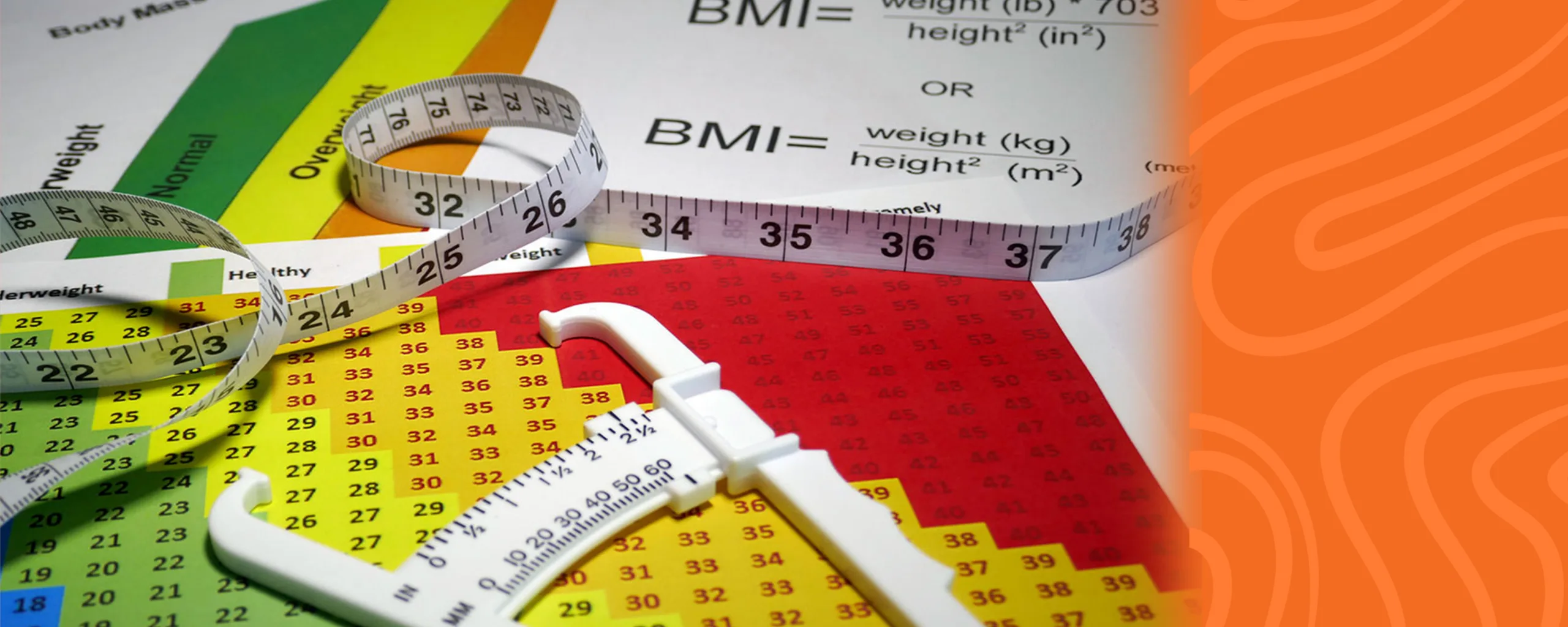
What Is Body Mass Ratio?
Body Mass Ratio refers to the proportion of different components that make up your total body mass, such as fat, muscle, bone, and water. Unlike traditional weight measurements or BMI, which only provide a general overview of your body size, body mass ratio gives a more detailed picture of your body composition.
For example, two people can weigh the same and have identical BMIs, but their body mass ratios could differ significantly. One might have a higher percentage of muscle mass, while the other has more fat mass. This difference can have profound effects on their health outcomes, fitness levels, and even risk factors for chronic diseases.
Weight
Height
Age

Components of Body Mass Ratio
To better understand body mass ratio, let’s break it down into its key components:
- Fat Mass: The total amount of fat in your body. This includes both essential fat (necessary for bodily functions) and storage fat (excess fat that can lead to health issues if elevated).
- Lean Mass: Everything in your body that isn’t fat, which includes muscles, bones, organs, and connective tissues.
- Water Content: Your body is made up of approximately 50-60% water, depending on factors such as gender, age, and overall health. Proper hydration is crucial for maintaining a healthy body mass ratio.
- Bone Density: The strength and density of your bones are part of your overall body composition and play a role in maintaining structural integrity and preventing injuries or fractures.
By analyzing these components, body mass ratio provides a clearer understanding of your internal health rather than just external appearance or weight.

How Is Body Mass Ratio Measured?
There are several methods to measure body mass ratio, ranging from simple calculations to advanced medical tools. Here are the most common options:
1. Bioelectrical Impedance Analysis (BIA)
This is a non-invasive and popular method for measuring body composition. It uses a small electrical current that passes through the body to estimate fat, muscle, and water percentages. Many modern scales come equipped with BIA technology.
2. Dual-Energy X-Ray Absorptiometry (DEXA)
DEXA scans are one of the most accurate methods for measuring body composition. They use X-ray technology to assess bone density, fat mass, and lean mass.
3. Skinfold Calipers
This method involves measuring the thickness of skinfolds at specific points of the body to estimate fat percentage. Though inexpensive, it requires skill and consistency for accurate results.
4. Hydrostatic Weighing
Often referred to as “underwater weighing,” this method calculates body composition by measuring water displacement when the body is submerged. It’s highly accurate but less accessible than other methods.
5. Body Composition Scales
Many affordable scales now offer estimates of body composition, including fat, muscle, and water percentages. While not as precise as other methods, they provide a convenient way to track changes over time.

Why Is Body Mass Ratio Important for Health?
Your body mass ratio plays a vital role in your overall health and well-being. Let’s explore some of the key reasons why:
1. Assessing Fat Distribution
Excess fat, particularly visceral fat (the fat around your organs), is linked to a higher risk of heart disease, diabetes, and other chronic conditions. A healthy body mass ratio ensures that your fat levels are within a safe range, reducing your risk of these diseases.
2. Building and Maintaining Muscle Mass
Muscle mass is essential for mobility, strength, and metabolism. A higher muscle-to-fat ratio can improve your physical performance, help prevent injuries, and even boost your metabolic rate, making it easier to maintain a healthy weight.
3. Monitoring Bone Health with Body Mass Ratio
Bone density is an often-overlooked component of body mass ratio, but it’s crucial for preventing conditions like osteoporosis. By tracking your muscle-to-fat ratio, you can ensure your bones remain strong and healthy as you age.
4. Preventing Obesity-Related Diseases
Obesity is a major risk factor for numerous health issues, including cardiovascular disease, type 2 diabetes, and certain cancers. A balanced muscle-to-fat ratio helps keep these risks at bay by maintaining a healthy balance of fat and lean mass.
5. Improving Long-Term Fitness and Well-Being
When your score is optimized, you’ll notice improvements in energy levels, endurance, and overall physical and mental health. It’s not just about looking good—it’s about feeling good and living a longer, healthier life.

How to Improve Your Body Mass Ratio
Improving your health ratio doesn’t happen overnight, but with consistent effort, you can make significant progress. Here are some tips to get started:
1. Incorporate Strength Training
Building muscle is key to improving your lean mass. Incorporate strength training exercises like weightlifting, resistance bands, or bodyweight exercises into your routine.
2. Focus on a Balanced Diet
Eat a diet rich in whole foods, lean proteins, healthy fats, and complex carbohydrates. Avoid processed foods and excessive sugar, which can lead to fat accumulation.
3. Stay Active
Regular aerobic exercise, like walking, jogging, or swimming, helps burn calories and reduce fat mass while improving cardiovascular health.
4. Stay Hydrated
Proper hydration is essential for maintaining a healthy body composition. Aim to drink plenty of water throughout the day.
5. Monitor Progress
Use tools like body composition scales or consult with a professional to track your progress and adjust your routine as needed.

Conclusion: Body Mass Ratio
Understanding your body mass ratio is an essential step toward achieving optimal health and wellness. Unlike traditional metrics like weight or BMI, this health ratio provides a deeper insight into your body composition, highlighting the balance between fat, muscle, and other essential components. By focusing on improving your ratio through a healthy diet, regular exercise, and proper hydration, you can reduce the risk of chronic diseases, improve your fitness levels, and enhance your overall well-being.
Remember, health isn’t just about numbers on a scale—it’s about achieving balance and feeling your best from the inside out. Take the time to learn about your muscle-to-fat ratio and use it as a tool to guide your journey toward a healthier, happier life.
By understanding and optimizing this health ratio, you empower yourself to make informed decisions that benefit your body and mind for years to come.
References