


What Is Men’s Ideal Weight—and How Can You Balance Muscle, Fat, and Health?
Men’s ideal weight isn’t a single number—it’s a balance between muscle and fat that supports health, function, and appearance. To find your ideal, consider:
- Body fat % (8–20% is healthy for most men under 40)
- Lean body mass (more muscle = better metabolism & strength)
- Waist-to-hip ratio (keep it under 0.90)
Focus on strength training, balanced nutrition, and recovery to build muscle, reduce excess fat, and maintain long-term health. Achieving men’s ideal weight means optimizing your body composition—not chasing a scale number.
Achieving the ideal weight is a goal shared by many men, but it’s not just about the number on the scale. True health and fitness come from finding the right balance between muscle and fat. For men, this balance is key to looking and feeling their best, as well as maintaining long-term health and vitality. In this article, we’ll explore how to determine men’s ideal weight, the importance of muscle and fat balance, and actionable steps to achieve and maintain it.

What Is Men’s Ideal Weight?
The concept of “ideal weight” is more complex than a one-size-fits-all number. Men’s ideal weight depends on several factors, including:
- Height
- Age
- Body composition (muscle vs. fat)
- Activity level
While Body Mass Index (BMI) is a common tool for estimating healthy weight ranges, it doesn’t account for muscle mass. A man with significant muscle may have a high BMI but an overall healthy body composition. That’s why focusing on the balance between muscle and fat is a more accurate and effective approach to determining ideal weight.
Weight
Height
Age

The Importance of Muscle-Fat Balance in Men
To achieve an ideal weight, men must focus on the ratio of lean muscle mass to fat. Here’s why this balance is essential:
1. Muscle Promotes Strength and Functionality
Muscle is critical for physical performance, strength, and endurance. It supports joint health, improves posture, and enables everyday activities like carrying groceries or playing sports. What’s more, muscle mass naturally declines with age, making it even more important for men to prioritize muscle-building as they get older.
2. Fat Is Necessary—But in Moderation
Body fat mass serves important functions, such as cushioning organs, regulating temperature, and storing energy. However, excessive fat—especially visceral fat around the abdomen—can increase the risk of chronic diseases like heart disease, diabetes, and high blood pressure. Striking the right balance is crucial for both aesthetics and health.
3. Metabolism and Weight Maintenance
Muscle tissue burns more calories at rest compared to fat. This means that having more muscle boosts your metabolism, helping you maintain a healthy weight more easily. Conversely, too much fat can slow down your metabolism and make weight management more challenging.

Determining Your Ideal Muscle-Fat Balance
To achieve your optimal weight, it’s important to understand your current body composition. Here are some tools and methods to determine the ratio of muscle to fat in your body:
1. Body Fat Percentage
Body fat percentage measures how much of your body is composed of fat. Healthy ranges for men vary by age:
- 20–39 years old: 8–20%
- 40–59 years old: 11–22%
- 60+ years old: 13–25%
For men focused on fitness or bodybuilding, body fat percentages between 6–15% are common.
2. Lean Body Mass
Lean body mass includes everything in your body except fat—muscles, bones, organs, and water. The higher your lean body mass, the healthier your body composition.
3. Waist-to-Hip Ratio
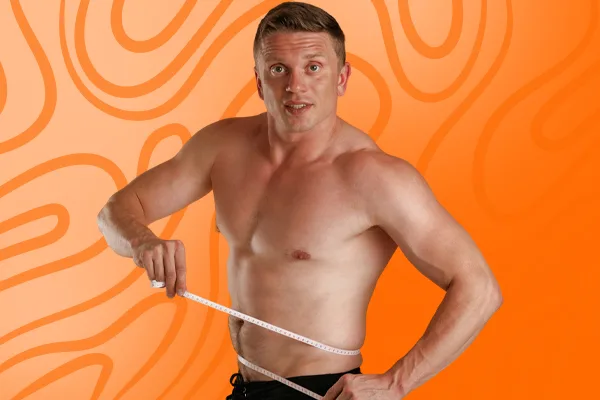
Measure your waist circumference and divide it by your hip circumference. A ratio above 0.90 for men indicates higher visceral fat levels, which can be a risk factor for chronic disease.
4. Professional Assessments
For precise measurements, consider using tools like bioelectrical impedance scales, DEXA scans, or consulting with a fitness or healthcare professional.
Achieving the Ideal Muscle-Fat Balance
Once you know your body composition, follow these practical tips to achieve a healthy balance of muscle and fat:
1. Set Realistic Goals
Don’t aim for drastic changes overnight. Whether you want to lose fat, build muscle, or both, set SMART goals (Specific, Measurable, Achievable, Relevant, Time-bound). For example:
- “I will reduce my body fat percentage by 3% in 3 months.”
- “I will gain 5 pounds of muscle in 6 months.”
2. Prioritize Strength Training
To build muscle, strength training is essential. Focus on compound exercises that work multiple muscle groups, such as:
- Squats
- Deadlifts
- Bench presses
- Pull-ups
Aim for at least 2–3 strength training sessions per week, gradually increasing weight and intensity.
3. Incorporate Cardiovascular Exercise
Cardio helps burn calories and improve heart health. Combine steady-state exercises (like jogging or cycling) with high-intensity interval training (HIIT) for optimal fat loss without sacrificing muscle.
4. Follow a Balanced Diet
Your diet plays a crucial role in muscle and fat balance. Follow these guidelines:
- Protein: Consume 1.2–2.2 grams of protein per kilogram of body weight daily to support muscle repair and growth. Lean sources like chicken, fish, eggs, and tofu are excellent choices.
- Healthy Fats: Include sources of healthy fats, like avocados, nuts, seeds, and olive oil, to support hormone production and overall health.
- Complex Carbs: Choose complex carbohydrates like whole grains, sweet potatoes, and vegetables for sustained energy.
- Caloric Needs: To lose fat, consume fewer calories than you burn (caloric deficit). To build muscle, eat slightly more than your maintenance calories (caloric surplus).
5. Stay Consistent with Recovery
Muscle growth happens during recovery, not during workouts. Prioritize rest days, get at least 7–9 hours of sleep per night, and stay hydrated. Consider practices like stretching, yoga, or foam rolling to promote recovery.

Monitoring Progress
Tracking your progress is vital to ensure you’re moving toward your ideal muscle-fat balance. Use these methods to monitor improvements:
- Take progress photos every 4–6 weeks.
- Measure body fat percentage periodically.
- Track strength gains in the gym.
- Regularly check your weight, but don’t rely solely on the scale.
The Long-Term Benefits of a Healthy Muscle-Fat Balance
Balancing muscle and fat isn’t just about aesthetics—it’s about long-term health and quality of life. Achieving and maintaining an ideal weight can:
- Reduce the risk of chronic diseases.
- Increase energy levels and productivity.
- Boost confidence and self-esteem.
- Improve physical performance and resilience.

Men’s Ideal Weight: Final Thoughts
Men’s ideal weight isn’t a fixed number—it’s about finding the right balance between muscle and fat for your body type, lifestyle, and goals. By focusing on strength training, eating a balanced diet, and staying consistent, you can achieve a healthy body composition that supports both performance and longevity. Remember, the journey is as important as the destination, so stay patient, committed, and enjoy the process of building a stronger, healthier you.
References
- American Heart Association – Body Composition & Cardiovascular Risk
- PubMed – Body Composition & Physical Performance
- PubMed – Healthy Body Fat Percentages
- Medical News Today – Body Fat Percentage Chart
- Harvard Health – Waist-to-Hip Ratio vs. BMI
- NIH PMC – High Waist Circumference and Health Risks
- ScienceDirect – Preserving Muscle During Weight Loss