

What Is a Muscle Mass Percentage Calculator and How Can It Improve Your Fitness Results?
A muscle mass percentage calculator helps you see beyond the scale by showing how much of your body is muscle. This metric offers:
- Clearer insight into fat vs. muscle composition
- Smarter training and nutrition adjustments
- Better goal setting for lasting results
Use it alongside BIA, DEXA, or body fat methods to track real progress and build a healthier, stronger body.
When it comes to fitness, many people focus solely on the number on the scale. While weight can be a useful metric, it only tells part of the story. A better approach to understanding your fitness progress is by tracking your muscle mass percentage. This metric highlights the proportion of your body weight made up of muscle and is a critical factor in assessing overall health and fitness. Using a muscle mass percentage calculator, you can gain insights that help you make smarter, more informed decisions about your training and nutrition.
In this article, we’ll delve into what muscle mass percentage is, why it’s important, how to calculate it, and how you can use this information to track your fitness journey more effectively.

What Is Muscle Mass Percentage?
Muscle mass percentage refers to the amount of your total body weight that is composed of muscle. This includes skeletal muscles (the muscles you use to move), as well as smooth muscles (such as those in your digestive tract) and cardiac muscles (your heart).
For example, if you weigh 150 pounds and 75 pounds of that is muscle, your muscle mass percentage is 50%.
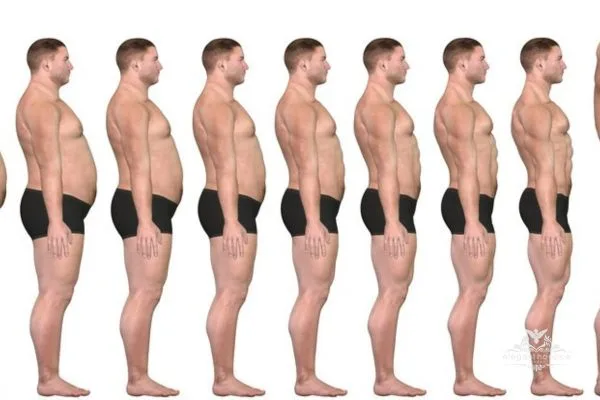
This metric is particularly important for athletes, bodybuilders, and anyone on a fitness journey because it provides a clearer picture of your body composition than weight alone. Two people may weigh the same, but if one has a higher muscle mass percentage, they’ll generally be leaner, stronger, and healthier.

Why Is Muscle Mass Percentage Important?
Tracking your muscle mass percentage offers several benefits that go beyond the scale:
1. Improved Health Insights
Muscle plays a vital role in overall health. It helps regulate blood sugar levels, supports joint health, and improves metabolic performance. A higher muscle mass percentage is often linked to reduced risks of conditions like obesity, diabetes, and osteoporosis.
2. Enhanced Fitness Tracking
If you’re trying to lose weight or gain muscle, focusing solely on your scale weight can be misleading. For instance, you may drop fat and build muscle at the same time, resulting in little to no change in your overall weight. Muscle mass percentage helps you see these changes more clearly.
3. Tailored Training and Nutrition
Knowing your muscle mass percentage can help you optimize your workouts and diet. For example, if your muscle mass is low, you may need to increase strength training and consume more protein to build and maintain muscle.
4. Better Goal Setting
Setting body composition goals based on muscle mass percentage rather than weight can lead to healthier, more sustainable results. It shifts the focus from aesthetics to performance and health.

How to Calculate Muscle Mass Percentage
There are multiple ways to calculate your muscle mass percentage, ranging from simple estimates to advanced scientific methods. Below are some common approaches:
1. Using a Muscle Mass Percentage Calculator
Online muscle mass percentage calculators are a quick and easy way to estimate your muscle mass. These tools typically require inputs such as weight, height, age, gender, and body fat percentage. While not 100% accurate, they provide a helpful starting point.
2. Bioelectrical Impedance Analysis (BIA)
Many modern scales and fitness devices use BIA technology to measure body composition, including muscle mass percentage. This method sends a small electrical current through your body and analyzes the resistance to estimate muscle, fat, and water levels.
3. DEXA Scans
Dual-energy X-ray absorptiometry (DEXA) scans are considered the gold standard for body composition analysis. They provide precise measurements of muscle, fat, and bone density. However, this option is more expensive and typically requires a visit to a medical or fitness facility.
4. Skinfold Measurements
Skinfold calipers can estimate body fat percentage, which can then be used to calculate muscle mass percentage. While affordable and accessible, this method requires some skill to ensure accuracy.
How to Use Muscle Mass Percentage in Your Fitness Journey
Once you’ve determined your muscle mass percentage, it’s time to put this information to use. Here’s how:
1. Set Realistic Goals
The ideal muscle mass percentage varies depending on factors like age, gender, and fitness level. On average, men have a higher muscle mass percentage than women due to hormonal differences. Here’s a general guideline:
- Men: 40–50% muscle mass is considered healthy.
- Women: 30–40% muscle mass is considered healthy.
If your muscle mass is below these ranges, focus on strength training and protein-rich nutrition to build muscle. If you’re above these ranges, you’re likely already in excellent shape.
2. Track Progress Over Time
Instead of obsessing over daily changes, monitor your muscle mass percentage over weeks or months. This will give you a clearer picture of trends in your body composition. Remember, building muscle takes time, so be patient and consistent.
3. Adjust Your Workouts
Incorporate strength training into your fitness routine if you want to increase your muscle mass. Compound exercises like squats, deadlifts, and bench presses are especially effective. Pair resistance training with adequate rest and recovery to maximize muscle growth.
4. Fine-Tune Your Diet
Protein is essential for muscle growth and repair. Aim for 0.8–1 gram of protein per pound of body weight daily. Additionally, ensure you’re eating enough calories to fuel muscle development. If you’re trying to lose fat while maintaining muscle, focus on a moderate calorie deficit and prioritize nutrient-dense foods.

Common Misconceptions About Muscle Mass Percentage
1. Higher Muscle Mass Equals “Bulky”
Many people, especially women, fear that gaining muscle will make them look bulky. However, building significant muscle mass requires intense training and a calorie surplus over a long period. For most people, adding muscle leads to a leaner, more toned appearance.
2. Muscle Mass Doesn’t Matter for Weight Loss
Muscle burns more calories at rest than fat, making it easier to maintain a healthy weight. By increasing your muscle mass percentage, you can boost your metabolism and improve fat loss results.
3. Muscle Mass Percentage Is Only for Bodybuilders
While bodybuilders and athletes rely heavily on muscle mass percentage, it’s a valuable metric for anyone interested in improving their health and fitness. Whether you’re a beginner or an advanced athlete, this data can guide your journey.

Conclusion
Understanding and tracking your muscle mass percentage is a game-changer for smarter fitness tracking. Unlike the scale, which only tells you your total weight, muscle mass percentage provides a deeper insight into your body composition. By using tools like a muscle mass percentage calculator and adjusting your training and nutrition accordingly, you can set realistic goals, track meaningful progress, and improve your overall health.
So, ditch the obsession with the number on the scale and start focusing on what really matters—building a strong, healthy body that performs at its best. It’s time to work smarter, not harder, in your fitness journey!
References