

What’s the Best Way to Calculate Body Fat Percentage Accurately?
Wondering how to calculate body fat percentage accurately? This guide compares 6 top methods—like skinfold calipers, BIA, and DEXA—highlighting pros, cons, and accuracy so you can pick the best body fat tool for your goals.
Optional Bullet Version (for snippets or scannability):
- Skinfold Calipers: Budget-friendly, but technique-dependent
- BIA Scales: Convenient, but hydration affects results
- DEXA Scans: Highly accurate, but costly
- Hydrostatic Weighing & Bod Pod: Precise but less accessible
- 3D Scanners: Fast and visual, but newer tech
➡️ Tip: Stay consistent with your chosen method for reliable tracking.
Understanding your body composition is essential for maintaining a healthy lifestyle. While tracking weight can give a general idea of health, it doesn’t tell the full story. Fat mass and lean mass make up your total body weight, and knowing the proportion of fat is crucial. In this article, we’ll explore how to calculate body fat percentage accurately, comparing various body fat tools to help you choose the best method.
Why Calculating Body Fat Percentage Matters
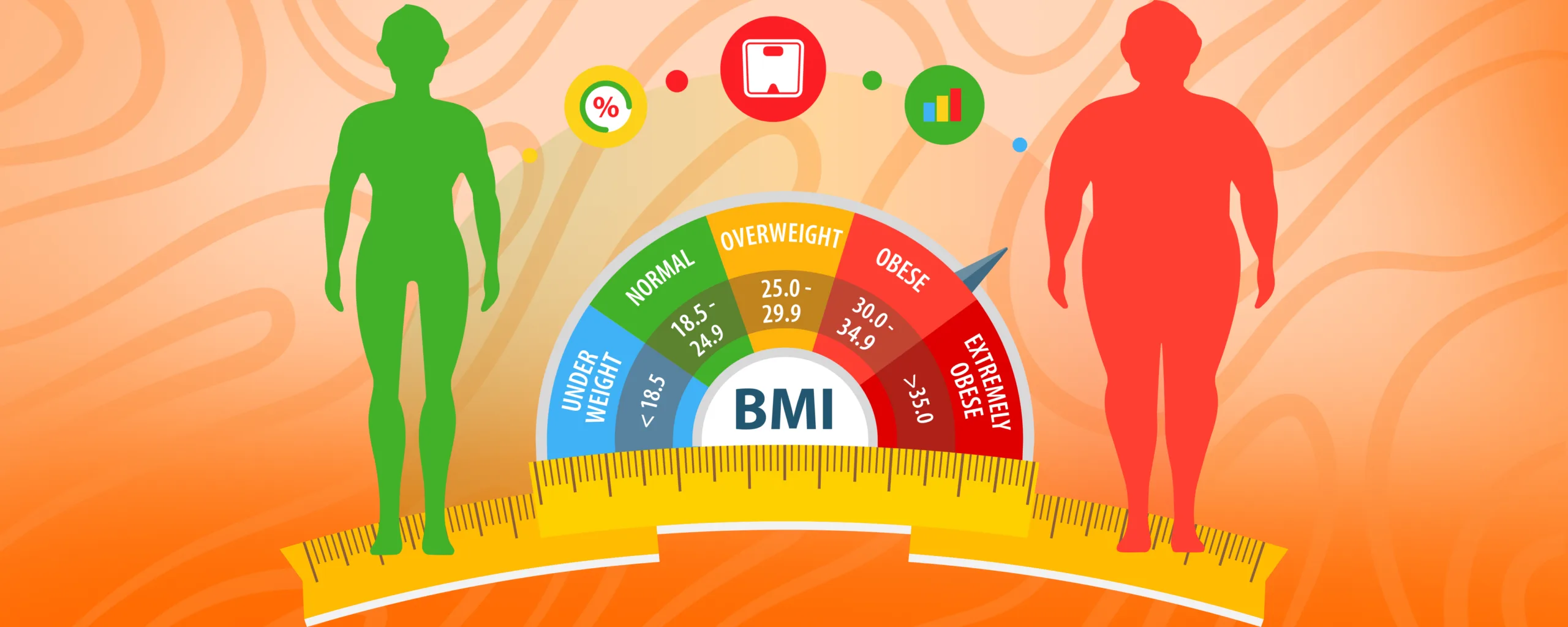
Body fat percentage is a better indicator of fitness and health than weight alone. High body fat levels are associated with increased risks of cardiovascular disease, diabetes, and metabolic disorders, even in individuals with a “normal” BMI. Conversely, very low body fat can impair hormonal function and overall health. Understanding your body fat percentage helps you set realistic fitness goals, design effective workout plans, and monitor your progress.

Methods to Calculate Body Fat Percentage
Several methods exist to calculate body fat percentage, each varying in accuracy, convenience, and cost. Let’s dive into the most popular ones.
Skinfold Calipers
How it works: Skinfold measurements use a specialized caliper to pinch the skin and underlying fat at specific body sites. The readings from these sites are entered into formulas to estimate overall body fat.
Pros:
- Affordable
- Portable
- Reasonably accurate when performed by a trained professional
Cons:
- Technique-dependent (high variability)
- Limited accuracy for very lean or very obese individuals
Scientific Accuracy: Research shows that, when used properly, skinfold calipers can predict body fat within ±2.5% of more sophisticated methods.
Bioelectrical Impedance Analysis (BIA)
How it works: BIA devices send a weak electrical current through the body. Fat is less conductive than muscle or water, so resistance data helps estimate body fat.
Pros:
- Quick and non-invasive
- Available in home scales and professional-grade devices
- Suitable for tracking trends over time
Cons:
- Hydration status affects accuracy
- Less precise than other clinical methods
Scientific Accuracy: Modern BIA devices, especially multi-frequency models, have improved in accuracy but still show variability compared to gold-standard methods.
Dual-Energy X-ray Absorptiometry (DEXA)
How it works: Originally designed for bone density testing, DEXA scans measure body composition by differentiating among bone mass, fat mass, and lean tissue.
Pros:
- Extremely accurate
- Provides regional fat distribution data
- Minimal discomfort
Cons:
- Expensive
- Exposure to a small amount of radiation
- Limited availability
Scientific Accuracy: DEXA is considered one of the gold standards for body composition analysis, with high reproducibility and reliability.
Hydrostatic Weighing
How it works: Also known as underwater weighing, this method estimates body composition based on body density. Fat is less dense than water, so a person with more fat will weigh less underwater.
Pros:
- Very accurate
- Well-researched
Cons:
- Inconvenient and time-consuming
- Requires specialized equipment and facilities
- Not suitable for individuals uncomfortable underwater
Scientific Accuracy: Hydrostatic weighing has long been considered a highly accurate method, though it’s less accessible today compared to DEXA and BIA.
Air Displacement Plethysmography (Bod Pod)
How it works: Similar to hydrostatic weighing but using air instead of water, the Bod Pod measures body volume and calculates body fat from body density.
Pros:
- Non-invasive and quick
- Comfortable compared to underwater weighing
Cons:
- Expensive
- Limited availability
Scientific Accuracy: Studies confirm Bod Pod’s precision closely matches hydrostatic weighing.
3D Body Scanners
How it works: 3D scanners create a digital model of the body, estimating fat percentage based on body shape and measurements.
Pros:
- Quick
- Non-invasive
- Provides a visual representation of body changes
Cons:
- Newer technology; varying accuracy between devices
- Expensive
Scientific Accuracy: Recent studies suggest 3D scanning can be fairly accurate for general monitoring but may not yet match clinical methods.
Choosing the Right Body Fat Tools
When selecting a method to calculate body fat percentage, consider:
- Accuracy needs: Are you a professional athlete or a casual fitness enthusiast?
- Budget: Some body fat tools are costly.
- Convenience: Do you want quick at-home measurements or don’t mind clinical visits?
- Consistency: It’s crucial to stick with the same method for trend tracking.
For most people, using a good-quality BIA device or skinfold calipers can offer a reliable, affordable means of tracking changes. However, for medical evaluations or professional sports, DEXA scans or hydrostatic weighing might be warranted.

Tips for Accurate Measurements
- Always measure under similar conditions (same time of day, hydration status, food intake).
- Use the same device or method consistently.
- For BIA scales, stay hydrated but avoid excessive drinking right before measurement.
- For skinfolds, seek an experienced technician for more reliable results.
Conclusion: How to Calculate Body Fat Percentage
Understanding how to calculate body fat percentage empowers you to make more informed decisions about your health and fitness. Whether you choose traditional methods like calipers or modern body fat tools like DEXA scans, selecting the right approach depends on your goals, resources, and lifestyle. Consistency is key when it comes to losing weight—monitor your progress over time using the same method, and remember that body composition is only one aspect of overall wellness.
By choosing the right measurement tools and maintaining healthy habits, you’ll be better equipped to achieve and maintain a healthier body.
References
American Council on Exercise (ACE)-Body Fat Percentage: Charting Averages in Men and Women (Very Well Health)
American Council on Exercise (ACE)-Body Fat Percentage: Charting Averages in Men and Women (Very Well Health)
National Institutes of Health (NIH)-Calculate Your Body Mass Index